A Lucky Seat Does Not Change the Game
Matchday superstitions give supporters rituals for nerves and belonging, with practical ways to enjoy a lucky seat without making it responsible for the score.
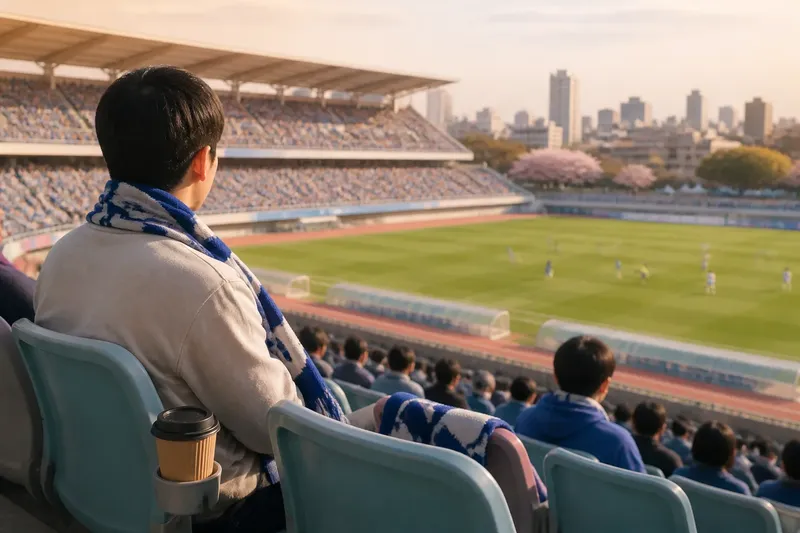
Matchday superstitions can make a familiar seat feel like part of the occasion, but a chair cannot change the score. Its real influence is closer to a favorite mug: it can make your own routine feel settled without steering anything beyond your reach.
That distinction leaves room for the charm. A lucky scarf, a particular route to the ground, or a seat shared with a friend can hold memories and give matchday its own shape. The trouble starts when a pleasant custom turns into a duty to protect the result.
A familiar ritual gives matchday its own rhythm
Before kickoff, supporters face a long stretch of waiting and uncertainty. You can watch the warmup, read the team sheet, and listen to the crowd gather, but none of those things lets you direct the next pass. A repeated gesture offers a small, familiar activity amid all that anticipation.
Perhaps you straighten a scarf, buy tea from the same stand, or listen to a club song on the train. The gesture can mark a shift from an ordinary day into match time, much as opening a notebook signals the start of a class. It need not be a claim that the action affects play.
Rituals also carry personal history. A ticket stub may recall a first match with a parent; a particular walkway may bring back a day when the whole group arrived together. Those associations make the custom meaningful even when the team’s performance has nothing to do with it.
Private superstitions and crowd traditions serve different purposes
A private superstition links an individual action to a hoped-for outcome: keeping the same seat, wearing a particular shirt, or waiting to check the score until a certain moment. Its meaning may be playful, nostalgic, or comforting, but it belongs mainly to the person who performs it.
A crowd tradition works in public. A chant, a coordinated clap, or a familiar greeting at a school ground can help people who have never met recognize one another as part of the same gathering. Across eastern sporting cultures, local customs can grow around club colors, neighborhood meeting places, school grounds, and the shared journey to a venue.
One gesture can do both kinds of work. A supporter may wear a scarf because it belonged to a relative, then lift it with the crowd during a song. The first meaning is intimate; the second is shared.
Choose a routine that can bend when matchday changes
A useful ritual fits around the day rather than ruling it. Before a match, notice what you already do and what it adds: comfort, a memory, company, or simply a pleasant bit of repetition. If it leaves you more tense than pleased, it may be time to make it more flexible.
- If your usual seat is available and comfortable, keep it if you enjoy it; if it is taken or unsuitable, choose another seat rather than treating the change as a threat.
- If your preferred route is open and convenient, use it if it makes the trip pleasant; if it is blocked, take a sensible alternative instead of rushing or creating a problem.
- If wearing a team shirt feels comfortable and follows venue rules, wear it if you like; if it does not, choose ordinary clothing rather than ignoring comfort or requirements.
- If a pre-match song lifts your mood, play or sing it if the setting allows; if it distracts or bothers others, lower the volume or skip it.
- If a friend enjoys joining your routine, share it if they want to; if they would rather do something else, let them choose without asking them to protect a result.
- If a ritual remains a pleasant preference, keep it if it suits you; if it brings blame, pressure, or conflict, loosen or leave it rather than adding stricter rules.
Say you usually sit near the aisle, wear a blue scarf, and meet a friend for tea before a match. Imagine the aisle seat is unavailable and the tea shop is closed. You take an open seat with a clear view, keep the scarf because it matters to you, and meet your friend at the ground instead. The routine changes, but you still share the day; the match remains a contest shaped by the players, officials, and conditions.
Why do matchday superstitions feel meaningful?
Why does a lucky seat feel special?
A seat can become attached to a memorable match, a good view, or the company of someone you care about. Those memories can make it feel lucky without giving it any influence over what happens on the field.
Can a routine help with matchday nerves?
A familiar, voluntary action can give your attention somewhere steady to rest while you wait. If a change in plans makes the ritual feel compulsory or upsetting, treat that as a cue to loosen it rather than follow it more rigidly.
How is a superstition different from a crowd tradition?
A superstition usually connects a personal act with a hoped-for result, while a crowd tradition creates a shared moment of recognition or participation. A scarf can be a private keepsake and a public sign of belonging at the same time.
Should I stop a ritual after my team loses?
A defeat does not mean you have to give up a harmless custom, just as a win does not show that the custom caused the result. Keep it for the memories or enjoyment, and change it if it begins to bring pressure or blame.
Let the ritual belong to the supporters
A custom is easiest to enjoy when it does not make one person responsible for a team’s result. Avoid turning a personal habit into a demand that friends hold a place, stay quiet, or repeat an action. A crowd can make room for different ways of following the game.
Practical needs take precedence over superstition. If a preferred seat is uncomfortable, a route is closed, or a venue rule calls for a change, adapt the ritual. Supporters do not have to prove anything by making matchday harder than it needs to be.
Keep the seat if you like its view, its memories, or the friend beside it. The matchday superstition can be part of your story without carrying the burden of the score; sometimes its best gift is simply giving you a familiar way to join the crowd.