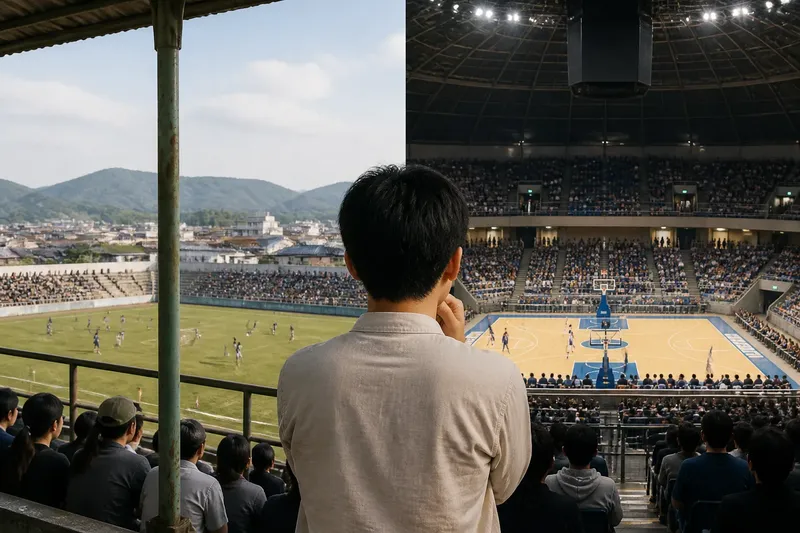
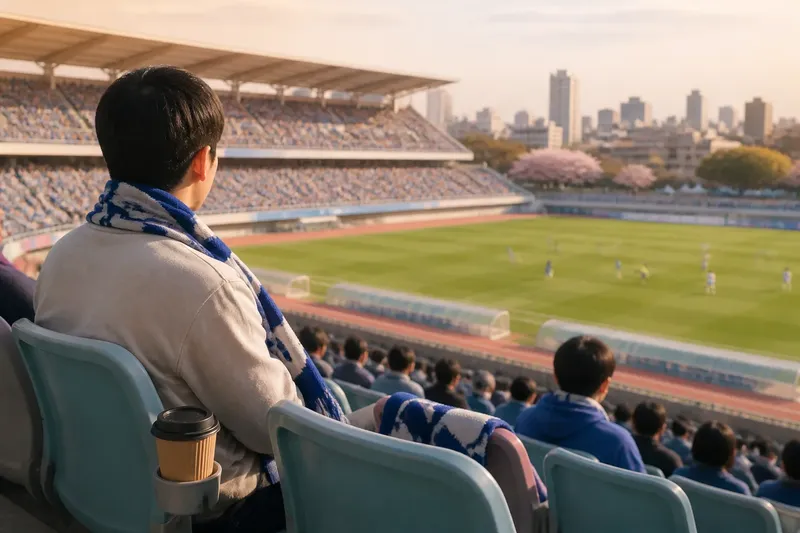
Why a Playing Surface Changes the Shape of a Game
Why a playing surface changes the shape of a game: learn to connect footing, ball response, and court dimensions with the choices players make.
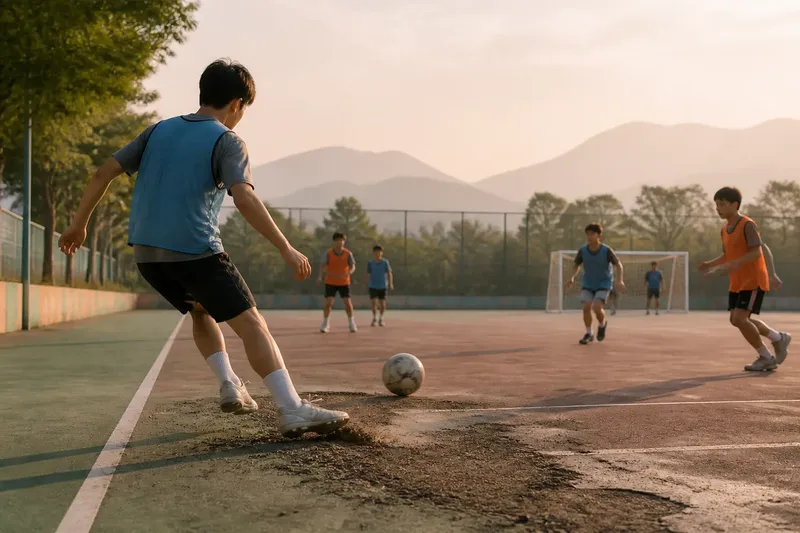
A playing surface changes the shape of a game by altering how players move and how a ball responds. To understand why a playing surface changes the shape of a game, watch what happens after a foot plants, a ball lands, or a player reaches a boundary.
Texture changes footing and ball contact
Texture is the pattern and roughness a shoe meets underfoot, or a ball meets on contact. A grippy surface can help a player plant and turn; a slick or loose one may prompt shorter, more cautious movements. The difference becomes visible during sudden stops, cuts, and repeated acceleration.
Ball behavior shifts too. On a smooth indoor court, a rolling ball may keep a clean path; on grass or packed earth, irregularities can redirect it. In racket sports, surface condition can alter the pace or height of a bounce, changing how a player prepares a return.
Texture is not a simple scale from fast to slow. A surface may offer reliable shoe grip but produce a different ball response, while loose material can behave differently depending on how it is compacted or disturbed. Think of a coin crossing a tabletop: a smooth table lets it slide more predictably than a textured one, though a coin cannot tell you exactly how a ball will behave on a court.
Firmness affects movement and rebound
Firmness describes how much a surface gives under a player’s weight or an object’s impact. A firm floor generally offers a direct response to a planted step; a yielding surface absorbs some impact and can make movement feel less immediate. That difference can influence footwork, jumping, and the timing of a push-off.
Equipment matters alongside the ground. A ball’s construction and inflation affect its rebound, so the surface alone cannot explain every bounce. Players respond to the combined result: a low bounce calls for different preparation than a higher or less predictable one.
Dimensions organize tactical choices
A playing area’s dimensions set the space players must cover and the distances over which they can pass, shoot, or defend. A compact court can bring opponents together quickly and leave little time to recover after a misplaced touch. A broader field may make width useful, asking players to judge longer runs and passes.
Markings matter as much as outer boundaries. Lines, zones, nets, and goals define where actions count and where players may stand. Change those dimensions and a passing lane can open or close, a defender may have more ground to protect, and an attack may need a different route toward its target.
The rules give these features their meaning. A court designed for one game is not automatically suitable for another, even if both use a ball and require running; the rules determine how boundaries, zones, and targets shape play.
How can you read a surface during play?
Does grass always make play slower?
No. Grass varies in length, density, moisture, and wear, and those conditions can affect footing and a ball’s movement. The sport and the particular field determine what those changes mean in play.
Why do players adjust their footwork?
Players rely on the contact between footwear and ground to brake, turn, and push off. If grip or firmness differs from what they expect, they may change stance and timing to stay balanced and reach the next action.
Can the same surface suit different sports?
Sometimes, but the answer depends on the rules, equipment, markings, and demands of each game. A surface that works for one sport may offer unsuitable bounce, traction, or space for another.
What should a spectator watch for?
Notice where players place their feet, how they respond after a bounce, and whether they favor long passes or quick changes of direction. Those visible choices offer clues about the surface’s influence without suggesting it dictates every move.
A practical observation leads to a clear decision
When comparing surfaces, connect a specific observation to a possible explanation, then decide what to watch next. The following checks are prompts for observation, not claims that any single condition determines the outcome.
- Observe whether players slip while planting a foot; if slips recur in the same area, treat footing as a possible factor and watch whether players avoid that patch, but if they remain balanced, look for another explanation.
- Observe whether a rolling ball changes direction on a rough patch; if it does, watch how the next player adjusts their route, but if it rolls cleanly, do not attribute the play to that patch.
- Observe whether a bounce stays low or rises unexpectedly; if the response differs from the player’s preparation, watch for a change in stance, but if preparation stays consistent, consider the equipment and action as well.
- Observe whether a softer area slows a player’s push-off; if the player takes shorter steps there, compare their movement on firmer ground, but if their stride stays similar, avoid assuming firmness is the cause.
- Observe whether a boundary or marked zone limits a passing route; if players redirect the ball, check which rule or marking applies, but if they keep the same route, look at defenders’ positions instead.
- Observe whether players favor the edges of a broad field; if they spread out, watch whether that creates room for a pass, but if they stay central, consider the opposition’s shape and the game plan.
Imagine a school team practicing on a court with a visibly worn patch near the sideline. In this invented situation, a player’s rolling pass changes direction at the patch, and a teammate then takes a wider route to meet it. The observer notes the patch and pass, watches the next pass from the same lane, and sees it travel straight; the sensible result is a cautious conclusion that the patch may have influenced the first pass, not that it explains every pass or dictates the team’s tactics.
Conditions make each surface specific
A surface is more than its broad label. Two grass fields can differ in firmness and texture, while a court may feel different across worn and freshly maintained areas. Moisture, loose material, wear, and preparation all affect contact, so “grass,” “wood,” or “clay” is only a starting description.
Understand a surface in relation to the game played on it. A change may matter greatly to a player chasing a rolling ball but less to an event where the main action happens in the air. A boundary adjustment can also reshape tactical space even when the material underfoot stays the same.
To judge why a playing surface changes the shape of a game, follow the chain from contact to response: note what meets the ground, what happens next, and how players adapt. Texture affects contact, firmness affects give and rebound, and dimensions organize space. Keep that connection specific to the sport and action you can see; it is the most useful way to describe how a surface influences play without treating it as the whole explanation.